
Are current wastewater treatment systems effective at limiting the spread of antibiotic resistance?
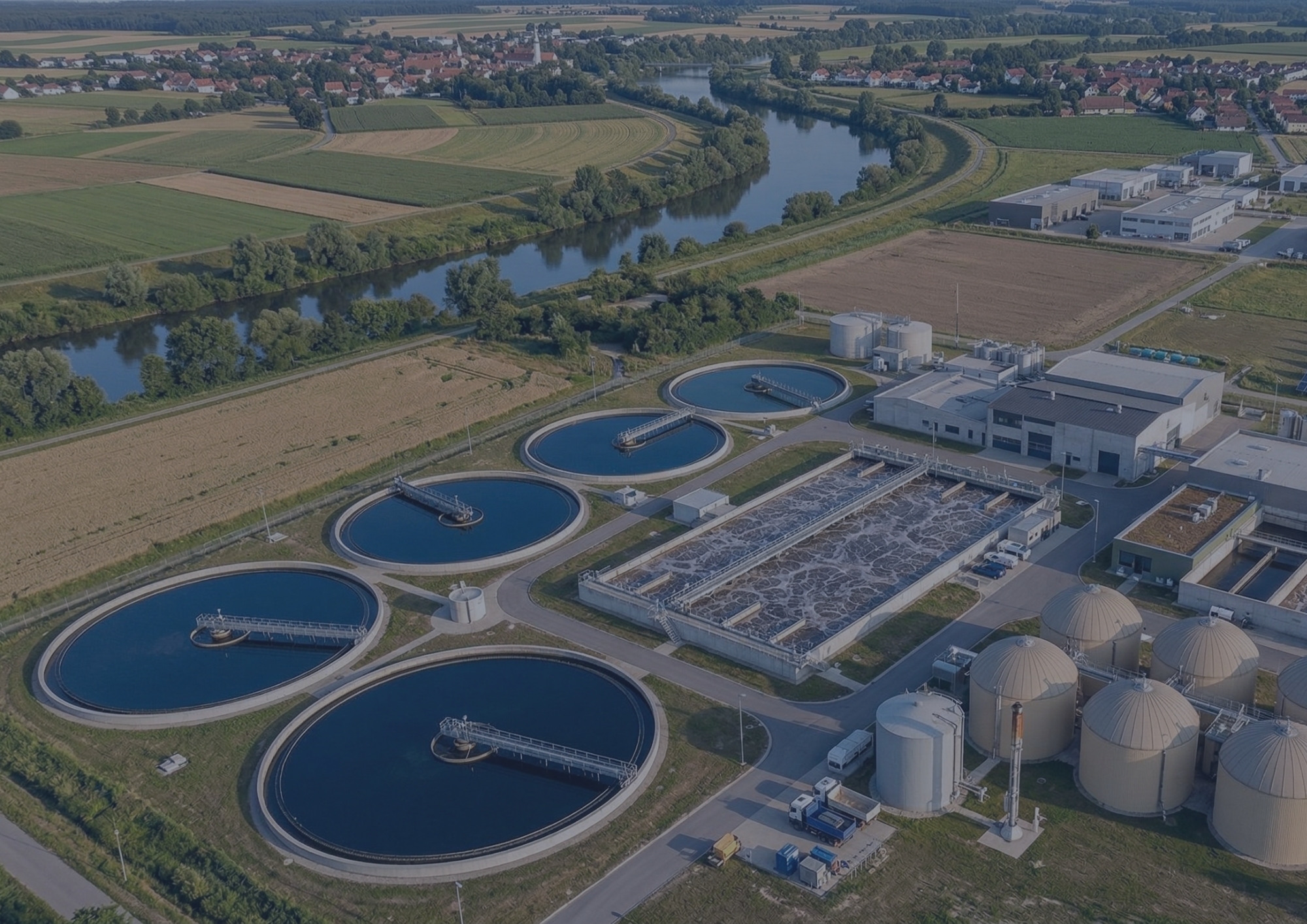
New research shows resistance genes and bacteria persist after treatment and spread into rivers, sediments, and shellfish, highlighting limitations in current systems.
Tracking Antimicrobial Resistance (AMR) Through Wastewater Systems
Wastewater treatment plants are built to clean water before it is released back into the environment. However, they are not specifically designed to remove antibiotic resistance. As a result, resistance genes and bacteria can pass through these systems and enter rivers and coastal waters, where they may persist and potentially spread. This highlights an important but often overlooked pathway through which antimicrobial resistance moves beyond hospitals and households.
A recent study published in the Environmental Pollution journal used high throughput quantitative PCR (HT qPCR) to examine how antimicrobial resistance genes (ARGs), mobile genetic elements (MGEs), and bacteria move through this system. This method allows researchers to detect multiple resistance genes simultaneously, providing a broader picture of resistance in the environment.
The study also measured bacterial load, which is important because bacteria carry resistance genes and enable their spread. In addition, it focused on mobile genetic elements such as integrons (including intI1 and intI3), transposons, and insertion elements. These elements are linked to horizontal gene transfer, meaning they can facilitate the movement of resistance between bacteria.
Hospital wastewater was found to contain the highest levels and diversity of resistance genes and bacteria. Although hospitals produce less wastewater than the wider community, their contribution to resistance is comparatively high.
Understanding resistance with ARGI
To interpret complex resistance data, the study used the Antibiotic Resistance Gene Index (ARGI), a metric that aggregates the relative abundance of multiple antimicrobial resistance genes into a single value. This simplifies complex datasets and enables comparison of overall resistance levels across different environments.
In this study, ARGI was used to compare resistance across wastewater systems. Wastewater treatment plants showed values between 2.0 and 2.3, slightly above the European baseline (~2.0), but below the global average (~2.4). These results demonstrate the utility of ARGI for benchmarking antimicrobial resistance across different contexts.
ARGI provides a standardised framework for comparing resistance between locations and systems, helping to place local findings within broader regional and global trends. As a relative measure derived from high-throughput qPCR data, it enables comparison of antimicrobial resistance levels across different wastewater systems and environments.The use of standardised gene panels, such as Resistomap’s 96 gene panel, can further support comparability and improve consistency across studies.
Efficiency of current wastewater treatment systems
Wastewater treatment plants reduced resistance levels, but did not remove them completely. The study observed reductions of approximately 0.2–2 log units for antimicrobial resistance genes and 0.3–1.5 log units for bacterial abundance with variation between treatment plants and sampling periods. Even after treatment, a baseline level of resistance remained in the effluent, highlighting the importance of continued monitoring.
Mobile genetic elements, including integrons such as intI1 and intI3, were detected both before and after treatment. Their persistence suggests that the potential for resistance to spread between bacteria can remain even after wastewater has been processed.
The effectiveness of treatment varied between plants and over time. Facilities using additional treatment steps, such as ultraviolet processes, generally showed greater reductions than those using only basic treatment, although resistance was still detected in all cases.
Movement into the environment
Once released, treated wastewater enters natural environments. In addition to treated effluent, infrastructure factors such as combined sewer overflows (CSOs) can allow untreated or partially treated wastewater to enter receiving waters.The study found that resistance levels were higher near discharge points compared to areas further away. In coastal regions, water movement can distribute these pollutants more widely.
Sediments were found to contain higher levels of resistance genes and bacteria than the surrounding water, indicating that they can act as reservoirs. These conditions support microbial survival over longer periods, and disturbance can release ARG-carrying bacteria back into the water.
Shellfish exposed to wastewater-affected environments showed increased levels of resistance, particularly near sewage outfalls. As filter feeders, shellfish can accumulate bacteria and resistance genes from the water. This suggests a possible link to wastewater exposure, although further study is needed to confirm the source and extent of this contamination. These findings raise considerations for both environmental health and food safety.
What this means
Overall, the study shows that antimicrobial resistance exists across connected wastewater and environmental systems rather than a single source. Treatment processes reduce resistance genes and bacteria but do not eliminate them, with measurable levels remaining in treated effluent. Hospital wastewater was identified as a high-load source, supporting the need for targeted upstream measures such as on-site pretreatment. In addition, combined sewer overflows (CSOs) can release untreated or partially treated wastewater into the environment. Together, these findings highlight the importance of combining source control, effective treatment, and monitoring to better manage antimicrobial resistance.
For a more detailed understanding of the methods, data, and full findings, read the full paper: https://www.sciencedirect.com/science/article/pii/S0269749125004695
